
Concussion – A Professional’s Guide
What is a Concussion?
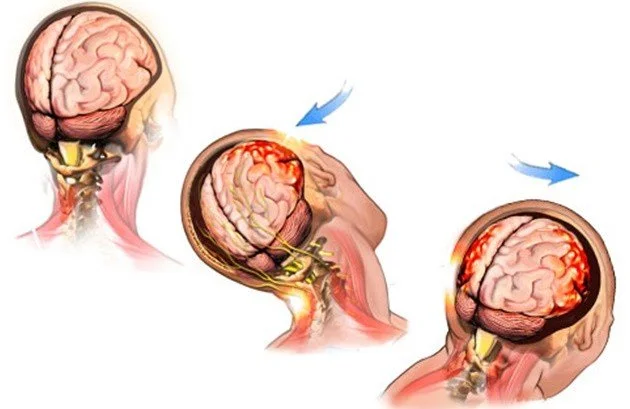
A concussion is defined by the Berlin Consensus Guideline 2016 as a traumatic brain injury induced by biomechanical forces. It has a number of common features:
It may be caused either by a direct blow to the head or elsewhere on the body.
Onset is usually rapid. However, in some cases, signs and symptoms evolve over a number of minutes to hours.
Signs and symptoms mostly reflect a functional disturbance rather than a structural injury.
Most often no abnormality is seen on standard neuroimaging studies.
It may or may not involve loss of consciousness.
Recovery of the clinical and cognitive features usually follows a set course. However, in some cases symptoms may be prolonged.
How is a Concussion diagnosed?
A medical practitioner should suspect a Concussion if one or more of the following changes are noted:
Somatic symptoms (e.g. headaches)
Cognitive symptoms (e.g. fogginess)
Physical signs (e.g. loss of consciousness)
Behavioural signs (e.g. irritability or emotional lability)
Cognitive signs (e.g. slowed reaction times)
Sleep disturbances (e.g. insomnia)
When assessing an individual for a concussion or former concussions, ask them about whether they are experiencing, or have ever experienced, any of the following symptoms:
Headaches
Fatigue
Vertigo & Dizziness
Sensitivity to light or noise
Word-finding difficulties
Trouble in busy environments
Difficulty speaking with several people
Difficulty initiating or perseverating on tasks
Irritability, Anxiety and/or Depression
Due to the insurance situation, for concussion treatment in Toronto, if in doubt, it is better to document “QUERY CONCUSSION” as a preliminary diagnosis, rather than to document no diagnosis.
Imaging and Concussions
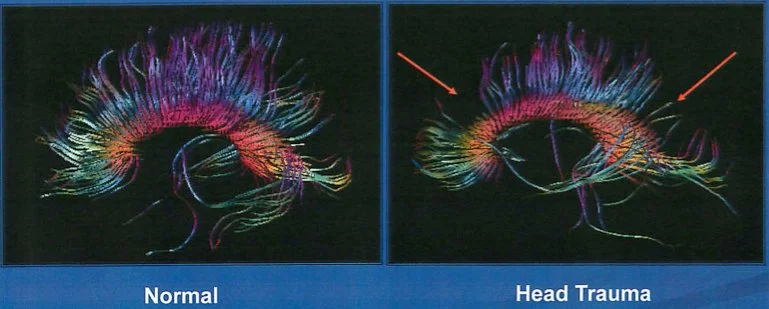
Newer techniques such as Functional MRs, Diffuse Tensor Imaging, Qualitative EEG and Magnetoencephalography are showing promise in research.
However these techniques are not generally available presently for medical practitioners involved in Concussion Treatment in Toronto.
Concussion Treatments(Initial Treatment)
Reassure the patient that they will improve.
The latest recommendation from the Amsterdam Consensus Guidelines 2022 is that Total Rest should not last longer than 24-48 hours.
Rest does not include: TV, computer, handheld devices, video games or book reading, talking with friends or puttering around doing household chores.
Initially limit screen time.
Rest may include: lying down, sleep, listening to audiobooks, radio, podcasts & quiet music, meditation, gentle yoga & time-limited crafts.
It is also recommended that they switch back and forth for short periods from physical to mental tasks.
Initially, do not limit amounts of sleep.
Address issues with depression anxiety and pain, if necessary, with medication.